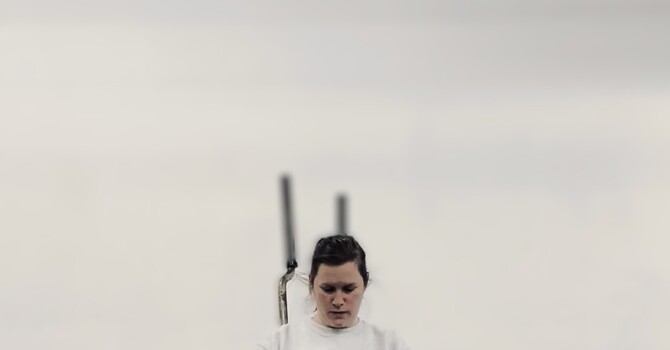
May is Maternal Mental Health Month, a time to bring awareness to something many women experience but few openly talk about: perinatal mood disorders. This includes depression, anxiety, and other emotional challenges that can show up during pregnancy and after birth.
One of the most underutilized (and accessible) tools we have to support maternal mental health? Movement.
Not intense workouts. Not pressure to “bounce back.” Just intentional, supported movement.
Research consistently shows that regular physical activity during pregnancy and postpartum is associated with a reduced risk of perinatal mood disorders. Movement helps regulate the nervous system, improve sleep, increase energy, and support hormonal balance—all key factors in mental well-being.
But beyond the physiology, movement reconnects you to your body.
Pregnancy and postpartum can feel like your body is no longer your own. Movement, done in a way that feels safe and supporte, can rebuild that trust. It gives you space to check in, release tension, and feel more grounded.
Alongside movement, working with a perinatal mental health therapist can be a powerful layer of support. These providers specialize in the emotional and psychological changes that occur during pregnancy and postpartum. They can help you process anxiety, mood shifts, identity changes, birth experiences, and the pressures of new motherhood in a safe, non-judgmental space. Therapy during this season isn’t only for when things feel “bad enough”—it can also be preventative care that helps you feel more supported, seen, and equipped as you navigate this transition.
And no, pain, leakage, or discomfort should not be the reason you stop moving. Chiropractic care + rehab can help support your body through the demands of pregnancy and postpartum so you can keep exercising, lifting your babies, and living your life with confidence throughout this season.
Whether it’s walking, strength training, breathwork, or guided rehab, the goal isn’t to do more—it’s to do what your body needs.
Because when we support the body, we support the mind.
If you’re pregnant or postpartum and feeling off, physically or emotionally, you don’t have to navigate it alone. The right kind of movement and support can be a powerful part of your care.
In your corner for every stage of motherhood,
Dr. Tanya
Tanya Billich
Contact Me